






Exploring the psychology behind high-stakes gambling choices
The Allure of High-Stakes Gambling
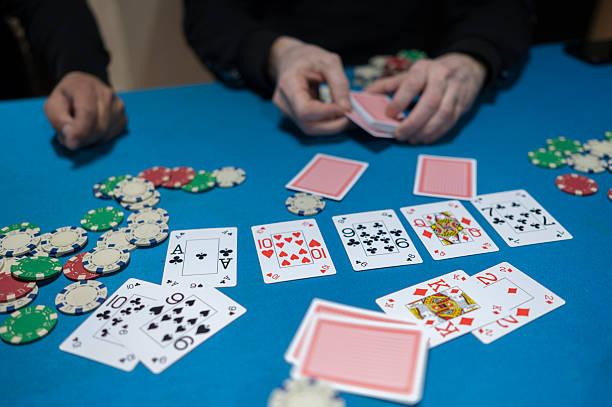
High-stakes gambling captivates a diverse audience, from casual players to seasoned high rollers. The thrill associated with placing large bets often stems from a mix of excitement and the potential for significant financial gain. This allure is deeply rooted in human psychology, where the anticipation of winning can be intoxicating, creating a powerful motivation to participate in high-stakes scenarios. For example, many players enjoy engaging with an ice fishing real money game that offers a unique twist to traditional betting.

The excitement generated by high stakes also often comes with a sense of adventure. Players may perceive themselves as risk-takers, which enhances their self-image and creates a sense of belonging within a community of fellow gamblers. This social aspect of gambling often fuels further participation, drawing individuals back to the table in search of camaraderie and shared experiences.
The Role of Cognitive Biases
Cognitive biases significantly influence decision-making in gambling. Players often fall victim to the illusion of control, believing they can influence outcomes based on past experiences or their strategies. This belief can lead to reckless betting behavior, where the excitement of the gamble overshadows rational judgment.
Another common bias is the gambler’s fallacy, where individuals mistakenly assume that past losses will lead to future wins. This misjudgment can keep players engaged longer than intended, as they believe luck is bound to change in their favor. Such cognitive distortions illustrate how psychological factors can skew perceptions, leading to high-risk choices in gambling environments.
Emotions play a pivotal role in gambling decisions. High-stakes players often experience a rush of adrenaline, which can lead to impulsive behaviors. This emotional high is akin to a drug-induced state, where the brain’s reward pathways become activated, prompting individuals to chase that exhilarating feeling.
Furthermore, players may use gambling as an emotional escape, seeking relief from stress or personal challenges. In such cases, the high stakes can feel particularly attractive, offering a temporary reprieve from reality. However, this can also lead to dangerous patterns of behavior, as individuals may gamble beyond their means in an effort to cope with underlying issues.
The social environment surrounding high-stakes gambling can significantly impact individual choices. Peer pressure and the desire for social validation often drive people to engage in gambling activities they might otherwise avoid. In casino settings, the electric atmosphere can amplify this social influence, leading to riskier behaviors as players seek to impress others or fit in with a group.
Moreover, many high-stakes gamblers develop a network of relationships built around their shared interests. This social dynamic can create an echo chamber, reinforcing gambling behaviors as players share strategies, experiences, and outcomes. While this can foster a sense of community, it can also perpetuate cycles of high-stakes betting and financial risk.
Your Go-To Resource for Gambling Insights
For those looking to navigate the high-stakes gambling landscape, having access to reliable information and support is crucial. Our platform serves as a comprehensive resource, offering insights into the psychological aspects of gambling, strategies for responsible play, and details about the best gaming options available.
Whether you’re a newcomer or an experienced player, understanding the psychological drivers behind gambling choices can enhance your experience and help you make informed decisions. Join us to delve deeper into the intricacies of gambling psychology and optimize your gaming strategies for a rewarding experience.
“`
Leave a Reply